Why Movement & Nature?
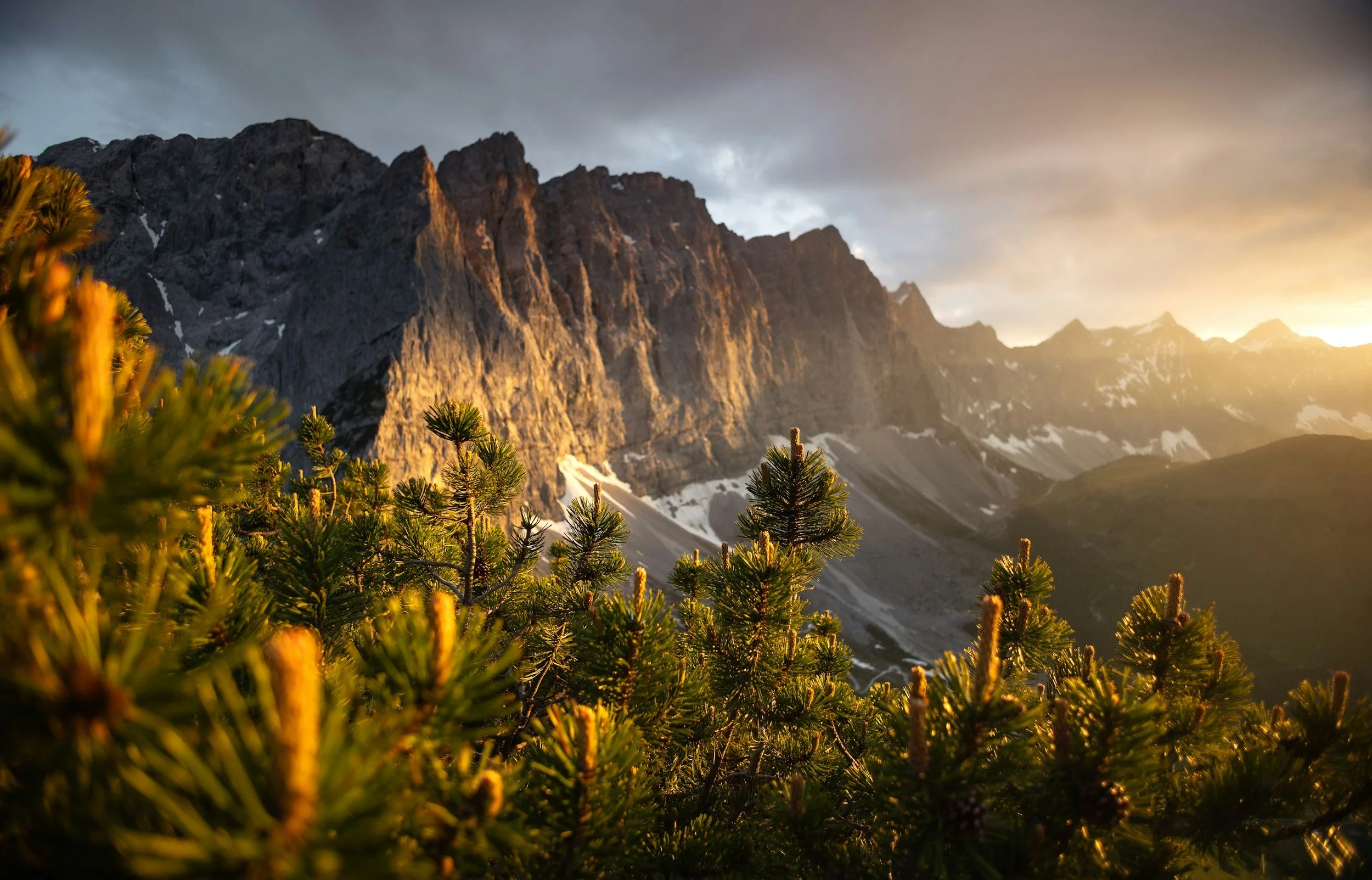
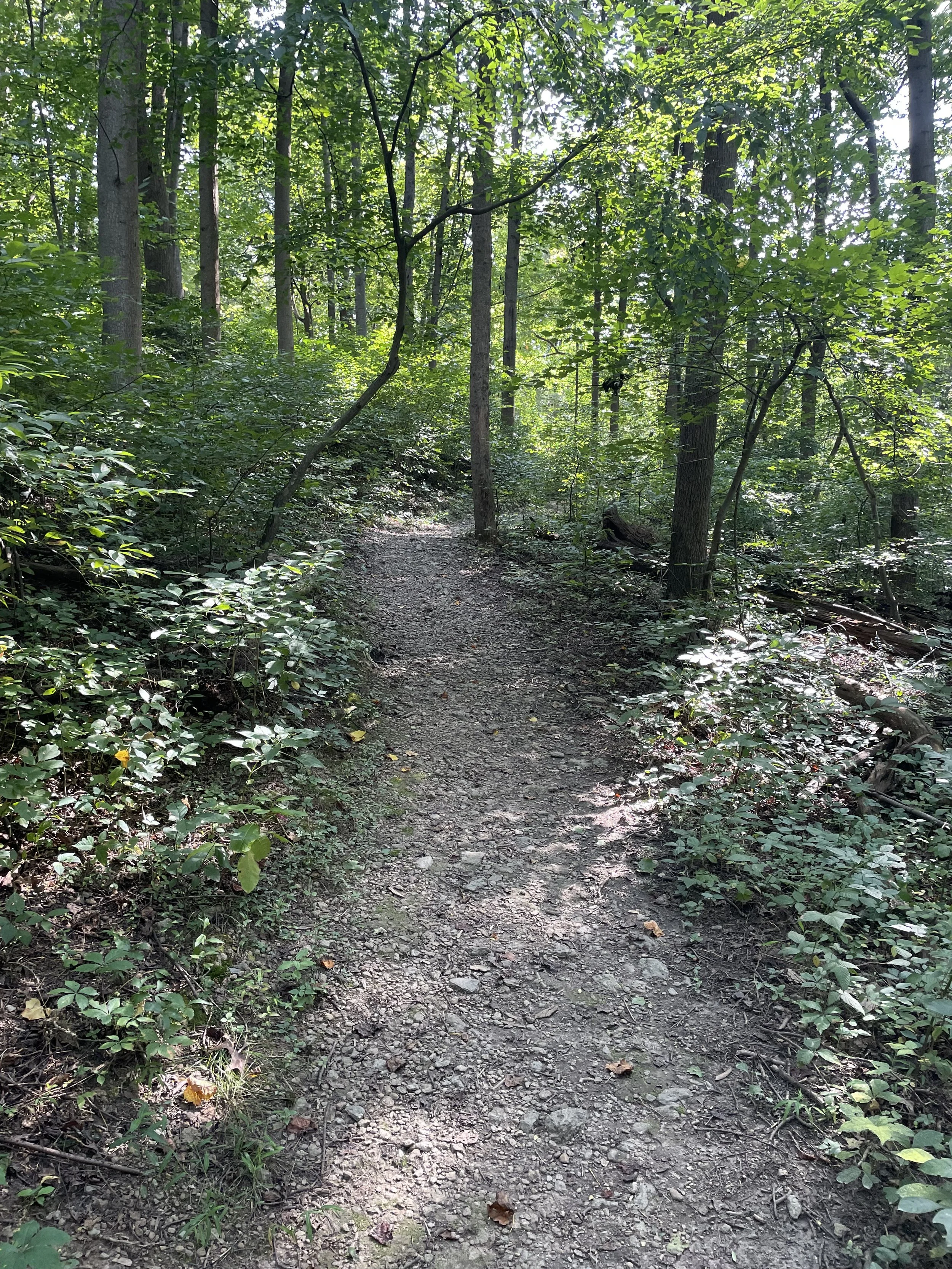
Therapy doesn’t always have to happen sitting across from someone in an office. Walk & Talk Therapy combines the benefits of traditional psychotherapy with the restorative effects of movement and nature! For many people, movement can make conversation feel more natural and less pressured. Walking side-by-side provides a gentle rhythm that can help reduce stress, support emotional regulation, and create space for reflection. Being outdoors adds another dimension: fresh air, natural surroundings, and a change of scenery can help us slow down, become more present, and step outside of familiar patterns of thinking. For teens and young adults especially, this less formal setting can make therapy feel more approachable and authentic. Walk & Talk Therapy brings these elements together—using movement, nature, and meaningful conversation to create a therapeutic experience that feels active, grounded, and connected.
Who is a Good Fit?
Walk & Talk Therapy may be especially beneficial for individuals who:
Experience anxiety or stress
Already spend lots of time in a classroom or traditional office space
Appreciate being outdoors & enjoy exercise
Think more clearly while moving
Want to incorporate physical wellness into their therapy
Sometimes prefer side-by-side conversations over sitting across from someone
When might this NOT be a Good Fit?
Walk & Talk Therapy may not be appropriate if:
There is active suicidal intent requiring close monitoring.
You are experiencing severe psychosis or significant cognitive impairment.
You have medical or mobility limitations that make walking unsafe.
You require a highly private setting due to the nature of the issues being discussed.
Extreme weather conditions are present.
Session Structure
Length: 45 minutes
Typical session:
Brief check-in before beginning
Maintain a Comfortable walking pace
Pause whenever needed
Return to starting point with a brief wrap-up and planning for the week
Additional session practices:
"Trail Notes" – At the end of each session, clients are invited to identify one takeaway they'll carry into the week, tying the physical walk to their therapeutic journey.
Mindful Mile – We will reserve the first or last minute of the walk for quiet reflection! This helps clients notice their surroundings, breathing, and emotions before transitioning back to daily life.
Seasonal Metaphors – We will use changes in nature (new growth, winding paths, changing weather) as organic prompts for reflection throughout our sessions!
Locations
Walk & Talk Sessions will occur at one of the following locations in Montgomery County.
Bethesda Trolly Trail (start/finish at Intersection of Edson Lane & Woodglen Drive)
Rock Creek Trail (start/finish at Viers Mill Local Park or Ken-Gar Palisades Local Park)
Cabin John Regional Park (start/finish at Locust Grove Nature Center)
Locations are chosen based on:
Privacy, Safety, Accessibility, Parking, Trail conditions, Client preference
Confidentiality
Although every effort is made to protect privacy, therapy occurs in public spaces.
Clients should understand:
Others may briefly see us walking together.
Conversations remain confidential.
If we encounter someone either of us knows, I will follow your lead regarding interaction. Unless you initiate contact, I will typically offer only a polite greeting (or no acknowledgment if appropriate) to help preserve your privacy.
Weather Policy
Walk & Talk sessions may be modified because of:
Heavy rain
Thunderstorms
Excessive heat
Ice or snow
Unsafe trail conditions
Poor air quality
When needed, sessions can move to the office or telehealth.
Safety
For Walk & Talk Sessions, clients should:
Wear comfortable shoes.
Bring water when appropriate.
Dress for the weather.
Inform me of any medical concerns that could affect walking.
Routes are selected to remain on established trails with reliable access to parking and emergency services.
Parent Information (for Adolescents clients)
Parents are welcome to participate in brief check-ins at the beginning or end of sessions, consistent with the treatment plan and the adolescent's developmental needs. The majority of the session however, will be spent walking individually with the adolescent. Sessions that require more parent participation can be held in the office or conducted virtually .
Frequently Asked Questions
Is this just "taking a walk?"
No! Walk & Talk Therapy is still therapy—the setting simply looks a little different. Sessions are guided by the same clinical goals, therapeutic relationship, and evidence-based approaches that I use in traditional office-based counseling. We may explore emotions, relationships, patterns of thinking, life transitions, values, goals, or whatever brought you to therapy in the first place.
The difference is that we do this work while moving through a natural environment rather than sitting across from one another in an office. Walking side-by-side can make conversation feel less pressured and more natural, while movement and time outdoors can support reflection, emotional regulation, and present-moment awareness. At times, we may also intentionally slow down, pause, sit, or incorporate elements of mindfulness and the surrounding environment into our work.
The walk isn't the therapy—it creates a different space in which therapy can happen!
How far do we walk?
Typically 1–2 miles at an easy, conversational pace, depending on the client's preferences and comfort.
Can we stop?
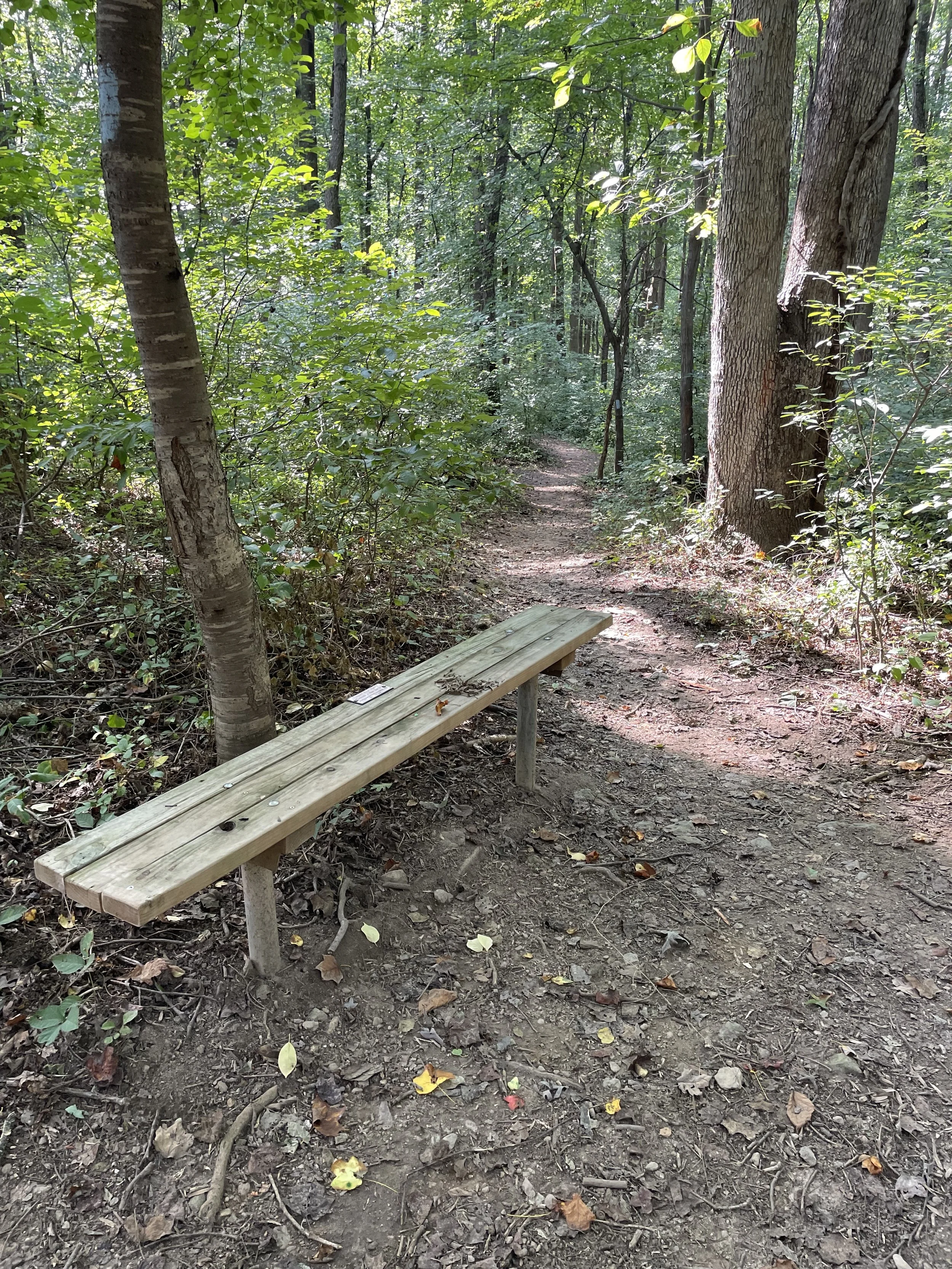
Absolutely. We frequently pause, sit, or slow down whenever needed.
What if I don't feel like walking that day?
We can shorten the route, sit on a bench, transition to an office session, or meet virtually.
What if there’s bad weather?
Weather is part of working outdoors, so flexibility is built into Walk & Talk Therapy. Light rain or cooler temperatures don't necessarily mean we have to cancel—as long as conditions are comfortable and safe, we can dress accordingly and continue with the session.
When weather makes an outdoor session impractical or unsafe—such as thunderstorms, extreme heat or cold, heavy rain, snow or ice, poor air quality, or unsafe trail conditions—we'll make an alternate plan. Depending on availability and preference, the session can typically be moved to the office, switched to telehealth, or rescheduled.
We'll communicate about weather concerns before the session whenever possible. The goal is to enjoy the benefits of being outdoors without ever feeling like we need to push through conditions that are uncomfortable or unsafe.
If you are interested in Walk & Talk Therapy or would like to discuss how it might fit into your therapy goals, please don’t hesitate to reach out via the Contact page!. I’d be happy to explore whether this might be a good fit for you and to get you scheduled for some sessions.
Walk-and-Talk Therapy